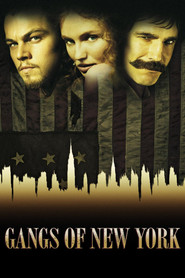
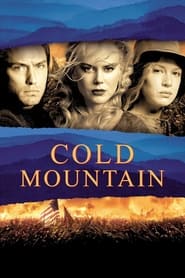
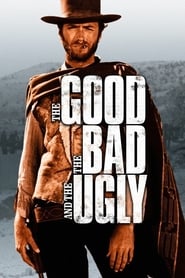
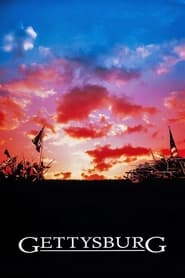
6 titles · in the order the archive depicts them. A series counts once, regardless of however many of its episodes carry the tag.
The Chronicle
The events and themes the archive follows through the American Civil War, in the order they happened, each with the titles that depict it. Press a name to read about it in the threads below.
During the American Civil War, Southern Unionism describes a pattern of white resistance to the Confederacy from within the South and along its border territories.
The hard-fought campaign at the end of the American Civil War to seize Petersburg and its surrounding area to cripple remaining Southern logistics infrastructure and open the…
The abolition movement in the United States was a long-running one that steadily gained greater amounts of political sway, especially over the course of the 19th century.
Every title set during the American Civil War, by the decade it came out. A series is placed on the chart by its first season and counts as one title entity.
FilmsSeriesAt the archive’s paceeach bar is the titles released that decade
The median title about the American Civil War came out in 2003; the median across the rest of the archive, in 2004, so this period’s titles run 1 year earlier.
The gold dashes are how many of this period’s 6 titles each decade would hold if they had been released at the same pace as the other 285 dated titles in the archive. That measures the archive’s own collecting, not the world’s film output, and at these sizes one title moves a bar by a whole step.
Cast of Characters
The historical people the archive’s titles put on screen in this period, grouped by what they are known for. The number is how many titles set here they appear in.
A thread follows one event or historical theme across the archive, wherever and whenever it appears. Pick a tab to read one; they are in the order they are filed on the timeline. Pulling a thread opens up a narrowed timeline view filtered to every year that thread touches.
During the American Civil War, Southern Unionism describes a pattern of white resistance to the Confederacy from within the South and along its border territories. The reasons for this resistance vary wildly, from overt pro-union factions to pacifist groups to groups seeking complete independence from the Confederacy.
The bloodiest battle of the American Civil War and a decisive turning point toward an ultimate Union victory over the Confederacy. Gettysburg marked the end of Robert E. Lee's advanced northward, and in its aftermath, President Abraham Lincoln would preside over the battlefield to give the Gettysburg Address, one of the most enduring speeches in American history.
A major uprising and race riot in New York City following the institution of the 1863 Enrollment Act, the country's first national conscription law. Tensions between the city's white and black population had further been amplified by white fears of added competition to the labor market following emancipation. Though the riots were eventually suppressed, many black homes, abolitionist institutions, public buildings, and community areas were destroyed in the process.
The hard-fought campaign at the end of the American Civil War to seize Petersburg and its surrounding area to cripple remaining Southern logistics infrastructure and open the door to the Southern capital of Richmond, Virginia. The campaign is noted for its widespread use of trench warfare and concentrated artillery, a 19th century precursor to the type of fighting that would characterize the First World War.
The abolition movement in the United States was a long-running one that steadily gained greater amounts of political sway, especially over the course of the 19th century. Following the groundwork laid by the Emancipation Proclamation in 1863 which legally freed all slaves held in Confederate states, slavery in the United States was formally abolished at the end of 1865 with the passing of the 13th Amendment to the Constitution.
Every place the archive’s titles set in this period name, with each one nested under the larger place it sits inside where that place is here too. The number is how many titles set here name it.
No title set here has been given a saltiness score yet. That is unrated, which is not the same as accurate.
Archive Density
75%6 of the 8 titles the archive sets between 1861 and 1865 carry the American Civil War tag.
This measure can help illustrate cinematic hotspots within a time period by comparing which years of the overarching, actual historical time period are backed up by a cinematic release.
Share of the 17 genre taggings across 6 titles set in this period. A title filed under three genres is in three of these slices, so this is a share of taggings rather than of titles.
Films only. Co-directors are counted individually, so a director’s solo work and their collaborations are grouped together. Average saltiness ignores any title still unsalted.
Also on the Timeline
Periods overlap freely so concurrent means the two spans share years, and the shared stretch is named. Bounded means it lies wholly inside this one, beginning and ending more than 10 years within its boundaries. Before and after are the nearest periods lying outside this one, with the gap in years shown instead. A shared thread is what the two have in common besides the calendar, and a period lying wholly outside this one can still share one.
Periods before, during, inside and after American Civil War, with their year ranges, the years they share with it, the threads they share with it, and how many titles the archive holds of each.