




Explore

← The Annals

A realm

Films & Shows Set in the Roman Empire

Runs from27 BCE476503 years wide

Shelfmark Mansio XXVIIOn the map Roman Empire in the Itinerarium

Classical World 85% · Medieval Era 15%

11
titles
9 films · 2 series (4 eps) · 10 through the places inside it
3.0/5
average saltiness
A shaker of salt
3.5/5
average rating
across 11 rated titles
8%
of the span is tagged
1 of 13 titles set inside it

See the Roman Empire on the timelineEvery year from 27 BCE to 476 the archive holds, and what is set in them

Compare the titles of the Roman Empire in the CanonsWhat every title on it shares, what two or three share, and what is proper to one

The Chronicle

The events and themes the archive follows through the Roman Empire, in the order they happened, each with the titles that depict it. Press a name to read about it in the threads below.

  1. 33–325
  2. 79
  3. 140
    Ninth LegionMilitary

    More properly known as the Roman Legio IX Hispana, the Ninth was a Roman legion from the late decades BCE until the early second century.

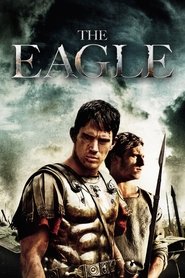
    The Eagle
  4. 391
    Destruction of the SerapeumReligious

    The looting and ultimate end of the Temple of Serapis at Alexandria following the Roman Imperial transition toward Christianity as a state religion.

    Agora
  5. 400–476
  6. 451

Sub-Periods

The periods the archive places in the Roman Empire: named stretches of its history, such as a reign or an age. The number is how many of this page’s titles carry each.

Cinematic Introduction

Every title set during the Roman Empire, by the decade it came out. A series is placed on the chart by its first season and counts as one title entity.

First on screen
The Robe1953
Most recent
Pompeii2014

FilmsSerieseach bar is the titles released that decade

Historical Threads

A thread follows one event or historical theme across the archive, wherever and whenever it appears. Pick a tab to read one; they are in the order they are filed on the timeline. Pulling a thread opens up a narrowed timeline view filtered to every year that thread touches.

Ninth Legionpull it on the timeline

Event

More properly known as the Roman Legio IX Hispana, the Ninth was a Roman legion from the late decades BCE until the early second century. Following its stationing in Roman Britain in the early second century, no reputable record remains of the legion's ultimate fate, resulting in the nickname of the "Lost Legion".

filed under 140

Also runs throughPax Romana

Destruction of the Serapeumpull it on the timeline

Event

The looting and ultimate end of the Temple of Serapis at Alexandria following the Roman Imperial transition toward Christianity as a state religion. The destruction of the temple and its library have often been described historically as symbolic of the wider conflict facing the Roman Empire during Late Antiquity between Christians and Pagans.

filed under 391

Also runs throughLate Antiquity

Places Connected to this Realm

Every place the archive’s titles set in this realm name, with each one nested under the larger place it sits inside where that place is here too. The number is how many titles set here name it.

Saltiness Across the Realm

How the titles fall, 1 (faithful) to 5 (a work of imagination). A period average alone would read the same for one the record is bent evenly across and one with a single wild outlier. A series is placed by its own average, rounded.

  1. 1A grain of salt0 titles at level 1
  2. 2A pinch of salt0 titles at level 2
  3. 3A shaker of salt1 title at level 3
  4. 4A bag of salt0 titles at level 4
  5. 5Enough to salt Carthage0 titles at level 5

10 titles in the archive have no score yet and are left out of the average above — unrated is not a verdict of accurate.

Archive Density

8%1 of the 13 titles the archive sets between 27 BCE and 476 are tagged Roman Empire itself.

85%With the places inside it: 11 of the same 13 titles are tagged Roman Empire or a place inside it.

This measure can help illustrate cinematic hotspots within a time period by comparing which years of the overarching, actual historical time period are backed up by a cinematic release.

  1. 27 BCEnothing set here
  2. 24 BCE0 of 1 title set in 24 BCE carries this period · 1 with sub-periods
  3. 9 BCE0 of 1 title set in 9 BCE carries this period · 1 with sub-periods
  4. 4 BCEnothing set here
  5. 1 BCE0 of 1 title set in 1 BCE carries this period · 1 with sub-periods
  6. 260 of 1 title set in 26 carries this period · 1 with sub-periods
  7. 300 of 1 title set in 30 carries this period · 1 with sub-periods
  8. 330 of 4 titles set in 33 carry this period · 4 with sub-periods
  9. 540 of 1 title set in 54 carries this period · 1 with sub-periods
  10. 790 of 1 title set in 79 carries this period · 1 with sub-periods
  11. 1400 of 1 title set in 140 carries this period · 1 with sub-periods
  12. 166nothing set here
  13. 1800 of 2 titles set in 180 carry this period · 2 with sub-periods
  14. 2080 of 2 titles set in 208 carry this period
  15. 220nothing set here
  16. 248nothing set here
  17. 284nothing set here
  18. 300nothing set here
  19. 306nothing set here
  20. 3910 of 1 title set in 391 carries this period · 1 with sub-periods
  21. 4150 of 1 title set in 415 carries this period · 1 with sub-periods
  22. 4341 of 1 title set in 434 carries this period
  23. 4451 of 1 title set in 445 carries this period
  24. 449nothing set here
  25. 4501 of 1 title set in 450 carries this period
Show all 28 yearsShow the first 25 only · 3 more years, from 451 to 476
  1. 4511 of 1 title set in 451 carries this period
  2. 4531 of 1 title set in 453 carries this period
  3. 476nothing set here

28 years on the timeline fall inside the boundaries, 10 of them with nothing set there yet. The dark part of each bar is the share carrying this period; the lighter part beside it, the share carrying one of its sub-periods instead.

Share of the 24 genre taggings across 11 titles set in this period. A title filed under three genres is in three of these slices, so this is a share of taggings rather than of titles.

Credits

Directors

Films only. Co-directors are counted individually, so a director’s solo work and their collaborations are grouped together. Average saltiness ignores any title still unsalted.

Networks

Series only, counted once each however many episodes carry the period. Average saltiness ignores any title still unsalted.

What the Record Corrects

2 claims answered for, across 1 title set during the Roman Empire. A citation is attached to a specific assertion inside a review rather than to the review as a whole, so each line below is one thing the archive says a title got wrong or right, and what answers for it. Following a claim lands on it in that review’s own sources.

  1. The Praetorian Guard did not wear purple cloaks, nor black armor. In fact, within the boundaries of the city of Rome, the guard would often be more likely to just carry their sword and wear a toga than don armor.

    Gregory S. Aldrete, Graham Sumner, Ancient Rome on the Silver Screen: Myth Versus Reality (Rowman & Littlefield Publishing Group, 2023).

    GladiatorFilm · 2000

  2. The Roman cavalry are all depicted in the film as using stirrups, a technology that would not have been available at this time in the Roman World.

    Gregory S. Aldrete, Graham Sumner, Ancient Rome on the Silver Screen: Myth Versus Reality (Rowman & Littlefield Publishing Group, 2023).

    GladiatorFilm · 2000

The whole Book of Citations

Myths Common to this Time Period

Gathered from the titles set during this period that the archive has tagged with a myth, whether they repeat it or reject it.

  • The Free for All Fight

    The record: Armies from antiquity until past the Napoleonic period fought in formation because individual soldiers are vulnerable. Battles were usually contests between blocks of men holding together, and the side whose formation broke first usually lost. Further, maintaining clear formations was essential to maintaining battlefield operations and communication, both for commanders to be able to give orders to their subordinate officers as well as for individual soldiers to know where to rally and position themselves.

    Repeated by 1 title: Gladiator

    Methods and Tactics

Also on the Timeline

Part of and part of it are declared by the archive: one period counted as belonging to another, whatever their dates. Periods overlap freely so concurrent means the two spans share years, and the shared stretch is named. Bounded means it lies wholly inside this one, beginning and ending more than 10 years within its boundaries. Before and after are the nearest periods lying outside this one, with the gap in years shown instead. A shared thread is what the two have in common besides the calendar, and a period lying wholly outside this one can still share one.

Periods before, during, inside and after Roman Empire, with their year ranges, the years they share with it, the threads they share with it, and how many titles the archive holds of each.
RelationPeriodRunsShared yearsShared threadsTitles
Part of itPax Romana27 BCE–18027 BCE–180Destruction of PompeiiNinth Legion9 titles in the archive
BeforeCrisis of the Roman Republic133 BCE–27 BCE27 BCEnone shared5 titles in the archive
BoundedLife of Christ4 BCE–334 BCE–33Rise of Christianity4 titles in the archive
BoundedMarcomannic Wars166–180166–180none shared2 titles in the archive
BoundedThree Kingdoms184–280184–280none shared2 titles in the archive
ConcurrentGothic Wars248–554248–476none shared2 titles in the archive
ConcurrentLate Antiquity284–476284–476Battle of the Catalaunian PlainsDestruction of the SerapeumFall of the Western Roman EmpireRise of Christianity2 titles in the archive
ConcurrentMigration Period300–600300–476Battle of the Catalaunian PlainsFall of the Western Roman Empire1 title in the archive
AfterAge of Justinian527–56551 years laternone shared3 titles in the archive